
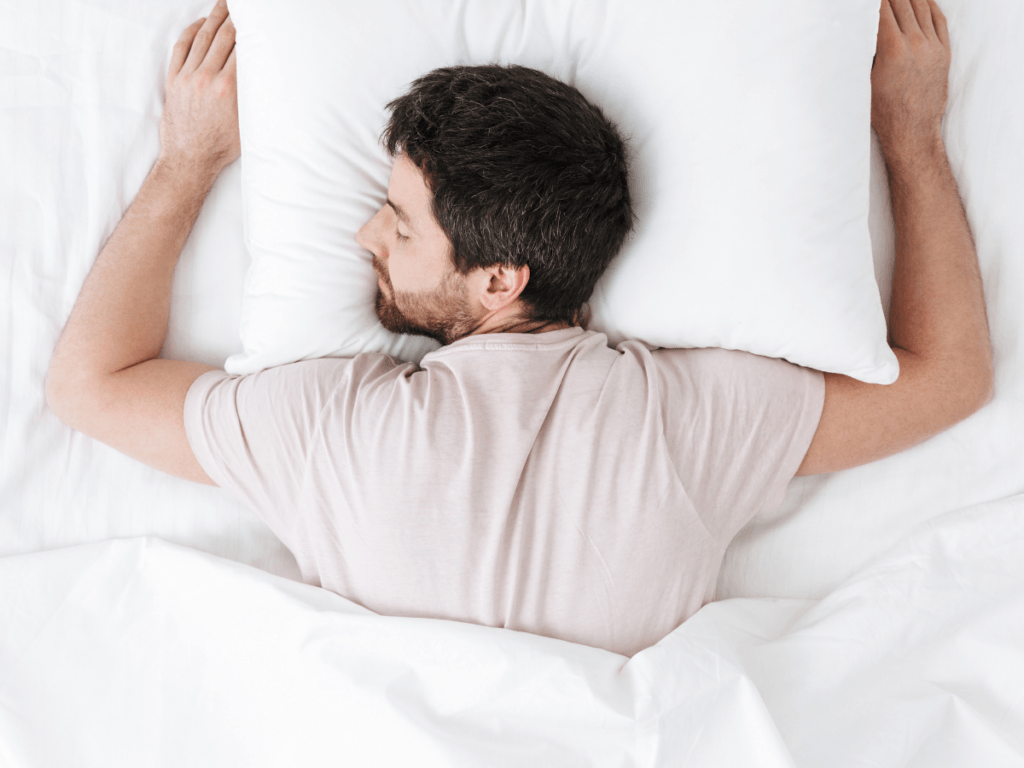
What Most People Get Wrong About Mattresses and Stomach Sleeping
Stomach sleeping has a reputation.
Most people have heard it’s “bad for your back” or “hard on your neck.”
There’s some truth to that.
But it’s not the full picture.
Why Stomach Sleeping Gets Criticized
From a mechanical standpoint, stomach sleeping does create stress in certain areas.
- The neck stays rotated for long periods
- The jaw can shift out of alignment
- The lower back is pushed into extension
Over time, this positioning can irritate joints, muscles, and surrounding structures. That’s where most of the concern comes from—and why many people eventually start looking into lower back pain treatments when discomfort builds up.
Why It’s Not That Simple
Not everyone responds to positions the same way.
Some people actually feel better lying on their stomach.
In certain cases, especially when the body responds well to extension, this position can reduce symptoms.
Body shape also matters.
If the abdomen supports part of the body’s weight, the spine may stay closer to neutral than expected. That helps explain why some people tolerate stomach sleeping without discomfort.
So the real issue isn’t the position alone.
It’s how your body responds to that position over time.
What a Mattress Must Do for Stomach Sleepers
For stomach sleepers, support is critical.
The mattress must prevent the pelvis and abdomen from sinking too far.
If those areas drop too much:
- The lower back is forced into deeper extension
- Pressure increases on the spine
- Irritation builds over time
The goal is simple:
Keep the body supported without pushing it into a stressed position.
Where Firmness Comes In
Firmness plays a major role.
Most stomach sleepers do better with a medium-firm to firm mattress.
Why?
Because it limits how far the hips sink.
A mattress that’s too soft allows the pelvis to drop, increasing stress on the lower back.
But more firmness isn’t always better.
The goal is controlled support—not a hard surface, but one that maintains alignment.
How Mattress Material Changes the Experience
Different materials affect how your body settles into the mattress.
- Soft memory foam tends to allow more sinking, especially at the hips
- Latex and hybrid mattresses usually provide more responsive support
The issue isn’t the category.
It’s how much the material allows your body to collapse into the surface.
Too much contouring often leads to poor alignment.
The Most Common Mistake Stomach Sleepers Make
Most people choose a mattress based on how it feels in the first few minutes.
That’s where problems start.
A mattress can feel comfortable at first—but still place the body in a stressed position for hours.
Another overlooked issue is the pillow.
Many stomach sleepers use pillows that are too thick.
That forces the neck into:
- Rotation
- Extension
- Side bending
Over time, this can lead to neck tension and jaw discomfort.
Small Adjustments That Make a Difference
Simple changes can reduce stress on the body:
- A thin pillow under the pelvis can decrease strain on the lower back
- A low or no pillow under the head helps reduce stress on the neck and jaw
- A small neck roll can provide support without forcing the neck into rotation
These adjustments don’t change how you sleep—but they can change how your body handles it.
The Bottom Line
There is no “perfect” sleeping position.
What matters is whether your body tolerates it without ongoing irritation.
Trying to force an ideal position—at the cost of poor sleep—can create more problems than it solves.
And one more point:
A mattress doesn’t fix the problem.
It either reduces stress on the body—or adds to it.
If your sleeping position consistently causes discomfort, it’s usually a sign that something deeper needs attention—and when that happens, many people begin searching for physical therapy near me to get real, lasting relief.
Ready to Sleep Without Pain?
If you’re waking up with stiffness, tension, or persistent back or neck pain, your sleep setup might be working against you.
Don’t ignore the signs.
At Skillz Physical Therapy, our experts help you identify the root cause of your discomfort and guide you toward the right support—whether it’s your mattress, posture, or movement habits.